top of page

Welcome
to The Unordinary Dietitian Blog
Delve into a blend of professional insights and compassionate guidance with The Unordinary Dietitian's Blog. From evidence-based information on various health concerns to heartfelt advice on body positivity and nutrition, this space serves Melbourne and beyond. Whether you're a healthcare professional or someone seeking a healthier relationship with food, find the perfect balance of clinical knowledge and unordinary wisdom here.
Search


What is POTS (Postural Orthostatic Tachycardia Syndrome)?
What is POTS, how it is diagnosed and how can you manage it?

The Unordinary Dietitian
Jan 235 min read


The Trifecta: POTS, EDS & MCAS in Neurodivergent Folk
Learn about the 3 co-occurring conditions in neurodivergent populations: EDS, POTS and MCAS.
The Unordinary Dietitian
Oct 27, 20256 min read


How a Dietitian Can Support Eating Disorder Recovery
Recovering from an eating disorder is not easy, nor is it a linear process. There will most certainly be times when you might feel like...
The Unordinary Dietitian
Aug 1, 20254 min read


The Top 30 Resources for Ditching Diets
We live in a world of diets, people throwing the word "Ob*sity" around like it doesn't cause emotional damage to some of us and social media consistently implanting thoughts into our heads that we aren't good enough; whether it's our body shape, what we eat or how often we exercise. It can get a bit much and it may feel as if the world is against us for being in a different-sized and shaped body. When this happens, here are some resources you can use to remind yourself that y
The Unordinary Dietitian
Aug 1, 20233 min read


Building Blocks for Baby: Optimal Nutrition for breastfeeding Mums
This month's blog will delve into what you need to know about nutrition during breastfeeding. You may be thinking "Shouldn't I be eating the same as I did before I was pregnant?" Read on to learn why this isn't the case. Why do I have to eat differently while I'm breastfeeding? Let's break it down for you; You carried a human for ~9 whole long months You went through labour and the delivery process- you need to recover physically, emotionally, mentally Now you have to look af
The Unordinary Dietitian
Jul 1, 20232 min read


Nutrition for Preconception
In my last blog, I mention that the first thousand days can refer to preconception right through until baby is about 1 year of age. I...
The Unordinary Dietitian
Jun 1, 20235 min read


What are the first thousand days?
When it comes to pregnancy and fertility, you may have heard of the term “the first thousand days”, but what does this mean? The first thousand days refers to the time from pre-conception (3 months prior to conception) until a baby is two years old. This time frame is highlighted to be one of the most important stages of a baby’s development as most of the genetic programming occurs at this time. Conception phase Genetic programming involves the creation of genetic material i
The Unordinary Dietitian
Apr 1, 20233 min read


How do I know if I have PCOS
As female reproductive systems are slowly becoming more understood and studied, we are now seeing a surge of women (in this article I will use the term women/woman to describe those with female reproductive systems) being diagnosed with health conditions such as Fibromyalgia, Endometriosis, and Polycystic Ovarian Syndrome (PCOS) to name a few. But if you’re like me, I struggle with grasping how we can diagnose these conditions as they all have different criteria and methods o
The Unordinary Dietitian
Mar 1, 20234 min read


Why is eating regularly important?
So we have all heard of diets that involve fasting to help with weight loss and with intermittent fasting particularly, it should make sense that having less time to eat during the day should mean fewer calories consumed, right? What if I said that continuously fasting from food could actually be detrimental to your health? Over short periods of time such as skipping lunch because you were busy at work that one day (it happens), or maybe you need to fast for religious purpose
The Unordinary Dietitian
Feb 1, 20238 min read


HAES Approach VS Weight Centric Approach - What Are They and Which Approach is for Me?
There is more to the eye than just seeing a dietitian or any allied health clinician for that matter. The way in which we practice may align better with some individuals more than others, in simple terms, the Health At Every Size (HAES) approach emphasises honouring internal hunger and satiety cues and nourishing ourselves with food that makes us feel good whereas, the Weight-Centric approach emphasises weight loss as the remedy of health issues and following a strict diet fr
The Unordinary Dietitian
Apr 21, 20223 min read


Can protein supplements affect your gut health?
For those of you that have jumped onto the protein powder bandwagon and have tried a few different brands, you may have experienced some gut discomfort, increased flatulence or toilet troubles. But why may that be? Here I will explain the role of our gut during protein digestion and provide some tips to reduce stomach troubles after consuming protein supplements. Protein and gut microbiota Despite the lack of research about the relationship between protein powder and gut micr
The Unordinary Dietitian
Feb 19, 20223 min read


Can my diet influence the risk of getting PCOS?
What is PCOS? Polycystic Ovary Syndrome is a growing public health issue among women affecting the reproductive and metabolic systems, as well as having an impact on psychological well-being. PCOS has been found to affect 8-13% of women of reproductive age with up to 70% of women still undiagnosed. PCOS can be dependent on ethnicity, including individuals of aboriginal descent, who have a higher risk of prevalence and complications. PCOS characteristics include: Depression;
The Unordinary Dietitian
Feb 3, 20222 min read


How to overcome fussy eating
Is your little one refusing to eat what’s on their plate? Have you tried offering them countless numbers of "healthy" foods to no avail? You are not alone. Fussy eaters can be very frustrating for parents to work around however the only way to resolve this is…PATIENCE! As a parent, it is our job to provide and offer food regularly, and it is the child’s job to accept (or not) to eat what is offered. When the time comes they will eventually cave in. Many children (and adults,
The Unordinary Dietitian
Jan 27, 20222 min read


Foods to make your little human
✨Things you should know first:✨ Children are still growing and have small stomachs therefore, they should be eating around 6 small meals daily; Give them plenty of time to eat and let them decide how much they want to eat-this is so they can develop hunger and satiety cues; Offer lots of healthy fruits, vegetables, lean meat, bread, fish, cereals, pasta, rice, dairy and the occasional "treat" food 1-2 times a week (more on this in future posts); Offer water during eating and
The Unordinary Dietitian
Jan 26, 20221 min read


What is mindful eating?
Eating mindfully can enable us to enjoy the food we eat by savouring the textures, tastes and aromas. It is not a dieting approach but is simply a way to help prevent harmful food behaviours such as binge eating, and remove negative associations with food such as guilt, judgment and anxiety. This may or may not include changing what we eat, but how we view the components of our meals whilst eating them and seeing it as a way of nourishing ourselves. Some tips to eat mindfully
The Unordinary Dietitian
Jan 24, 20221 min read


FOD-whats? What you need to know about FODMAPs
I am sure by now you have heard of the term FODMAPs and might know that it has to do with some sort of diet. But this is no ordinary diet where it's meant to act like a cleanse and make you fitter or "skinnier". This diet is to improve your quality of life, specifically for those struggling with IBS who may have symptoms of constipation, diarrhoea, bloating and/or gas after eating. I use the term "diet" very lightly here, I do not condone any sort of strict diets, especially
The Unordinary Dietitian
Jan 23, 20224 min read
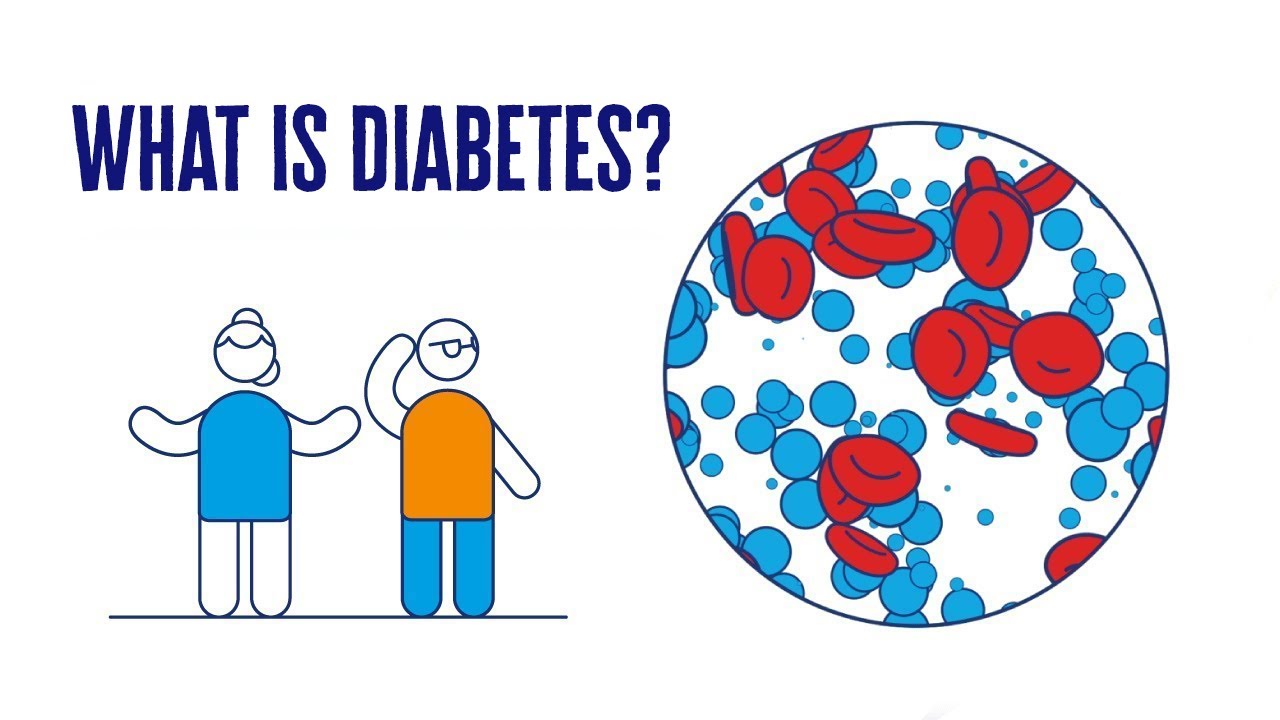
Type 1 diabetes or Type 2? What's the difference?
Type 1 diabetes: This is an autoimmune disease in which the cells of the pancreas that produce insulin are destroyed by one’s own cells, which leads to little or no insulin production. Type 2 diabetes: This is a condition where the body cannot effectively use insulin (insulin resistance) or impairment of insulin secretion. Type 1 diabetes is generally linked to genetics and can onset in early life whereas type 2 diabetes is often caused by factors such as being in a larger bo
The Unordinary Dietitian
Jan 22, 20222 min read


What you need to know about Gluten Intolerances
Gluten is a protein found in wheat, rye and barley which may not be able to be easily digested by our small intestine and can cause symptoms such as: Bloating; Gas; Diarrhoea; Fatigue and; Rash. More severe gluten intolerance is Coeliac Disease which is an autoimmune condition in which the immune system of an individual attacks the lining of the small intestine when gluten is ingested. This reduces the ability of the small intestine to absorb nutrients hence a diet without gl
The Unordinary Dietitian
Jan 21, 20222 min read


The crucial nutrients you need to know about whilst being pregnant
Folate Assists in red and white cell production as well as maintains our metabolism. During pregnancy, our needs increase due to the rapid cellular growth and development of our baby and our maternal tissues. Adequate amounts of folate can prevent Neural Tube Defects (NTDs) by up to 70% if you begin taking folate supplements at least one month before conception. Dietary sources: Leafy greens, legumes, and bananas in addition to a pregnancy multivitamin Iodine Aids in the brai
The Unordinary Dietitian
Jan 18, 20223 min read
Blog: Blog2
bottom of page